Warren Truss
The first known settler to occupy the Trussville area was Warren Truss, of English descent. A farmer by occupation, Truss was born in North Carolina on May 12, 1772, the son of Samuel and Mary Forbes Truss Sr. Samuel Truss Sr. raised a big family, and three sons, Joel, Warren, and Samuel Jr., are of interest in the history of Trussville and Alabama. Joel Truss was the first son to leave North Carolina and head west, leaving sometime before 1810 and stopping in Georgia and South Carolina before entering Alabama. Samuel Truss Jr. and Warren Truss left within the next decade or so, presumably at the urging of Joel.

The last Truss deed on record in Pitt County, North Carolina, was signed by Warren Truss on October 2, 1817, so it appears evident that he left for Alabama sometime after this date. Warren Truss next appeared in St. Clair County, Alabama, in 1820, where he had a family of eight males, one female and seventeen slaves, according to the 1820 census of St. Clair County. Warren Truss’ children that appear in Alabama and contributed in part to the early development of Trussville and its surrounding area included Enos, John, Wiley, Arthur, Thomas K. Warren Jr., Susanna, Josiah, Samuel and Zilpha.
The area in which Warren Truss first settled is modern day Springville, located several miles north of Trussville. That region was named after a large spring located near where Joel and Samuel Truss, as well as numerous others, first settled. Within a few months, Warren Truss had decided to look for a home elsewhere, moving several miles southwest to the banks of the Cahaba River. Warren Truss first purchased land in Jefferson County on August 22-23, 1821. His land ownership in the county covered nearly 1,000 acres, apparently making him a wealthy man for the era. Warren Truss died on September 16, 1837.
Magnolia Tree
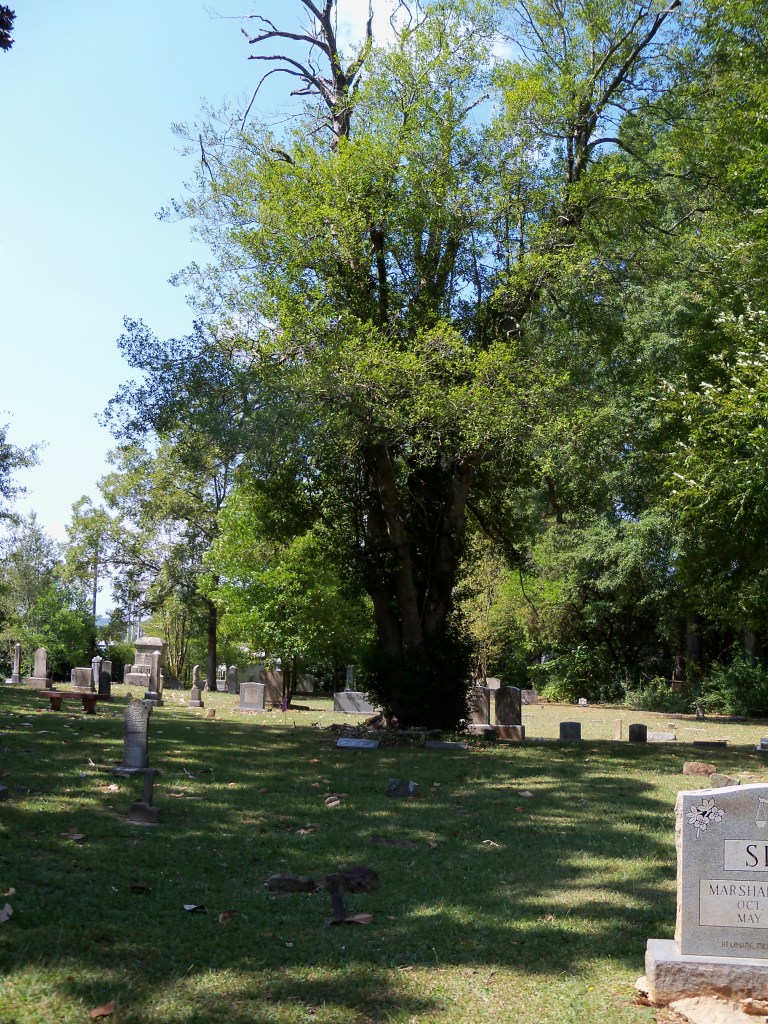
The centerpiece of the Trussville Memorial Cemetery is a huge magnolia tree that, as legend has it, was planted by a grieving young lover beside the grave of his intended bride. Overcome with the loss of his true love to pneumonia, the young man eventually grieved himself to death, and his family honored his request to be buried beside his sweetheart. It’s said that on a moonlit night, you can see the young couple embrace.

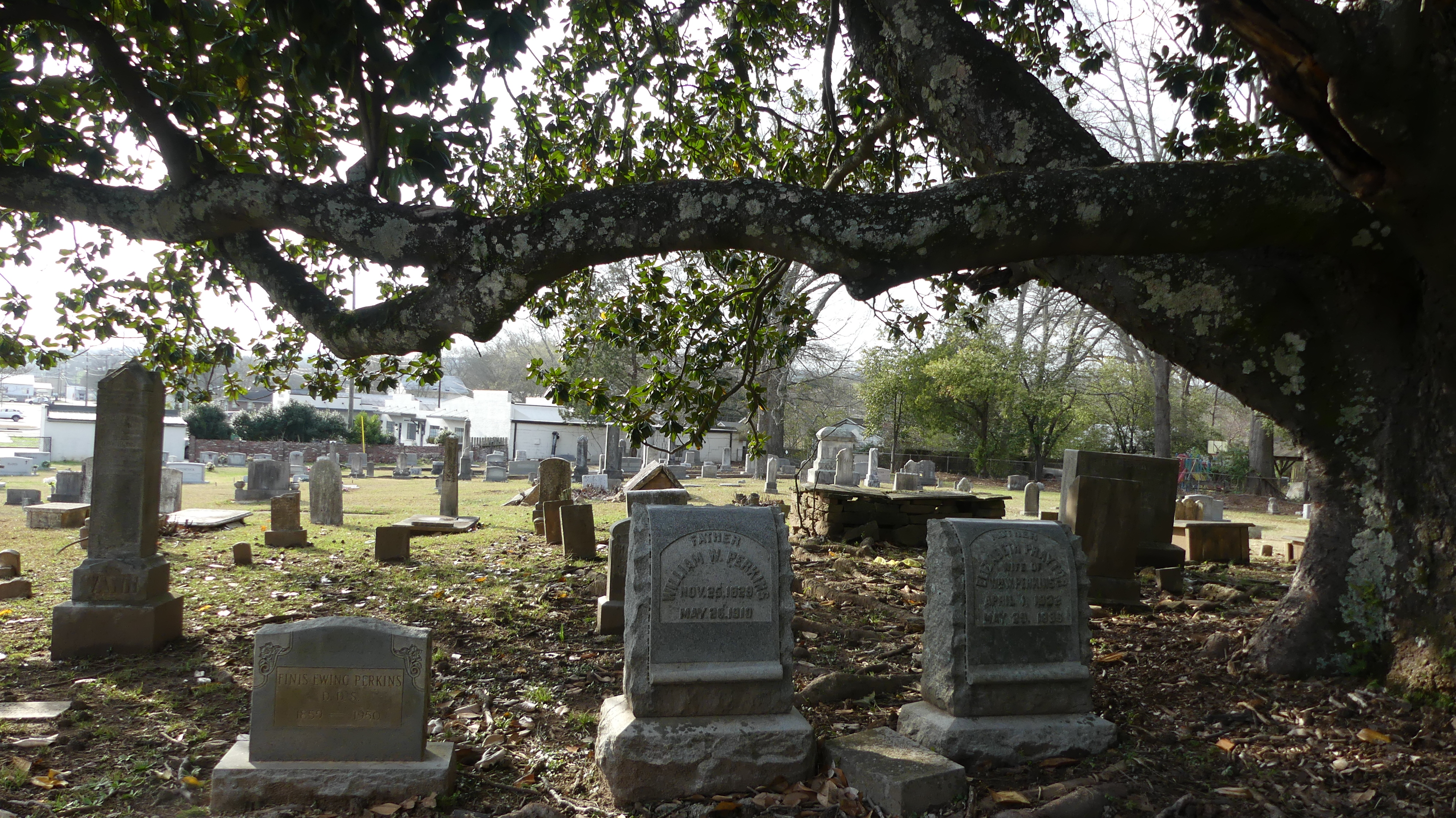

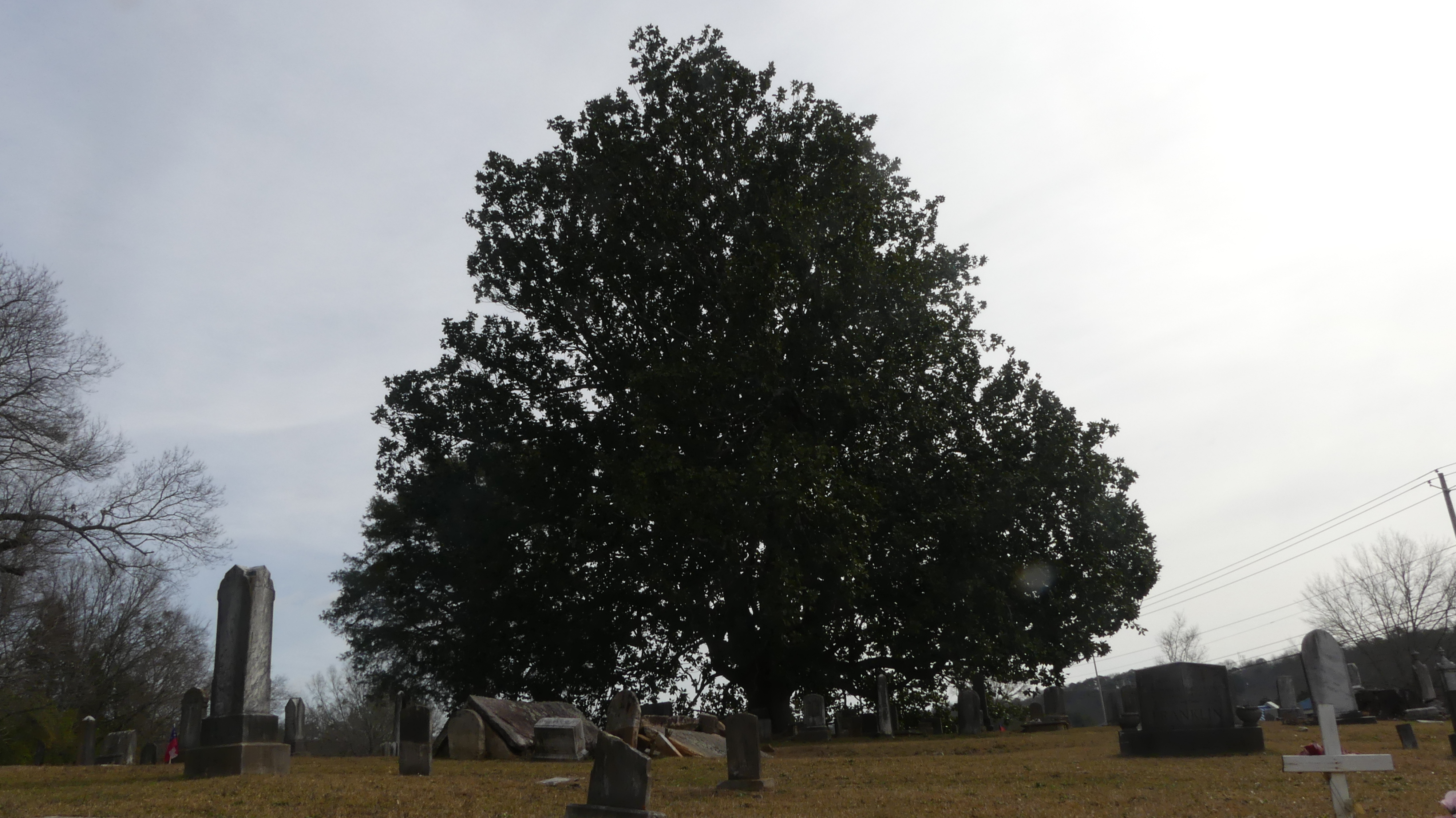
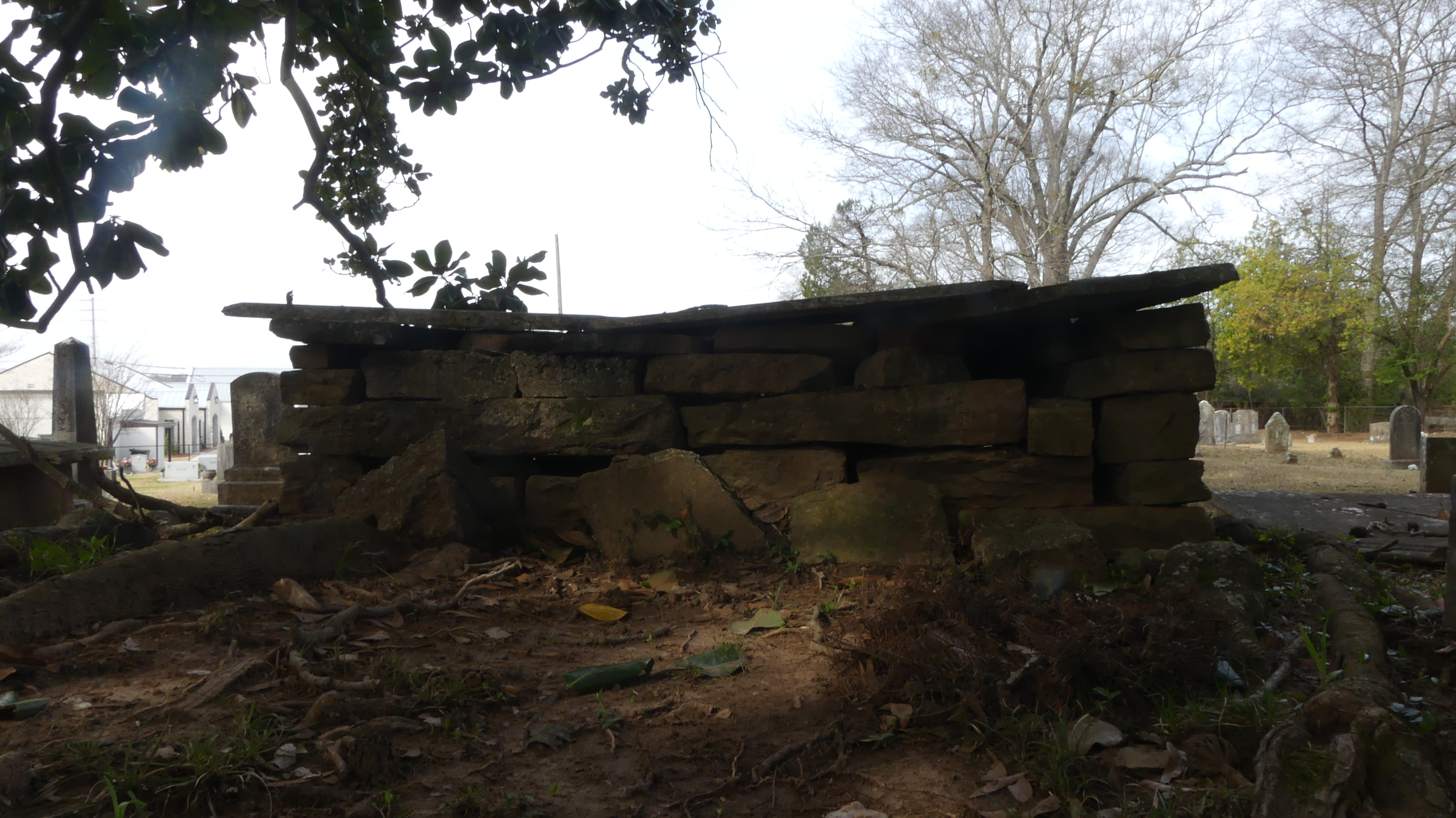

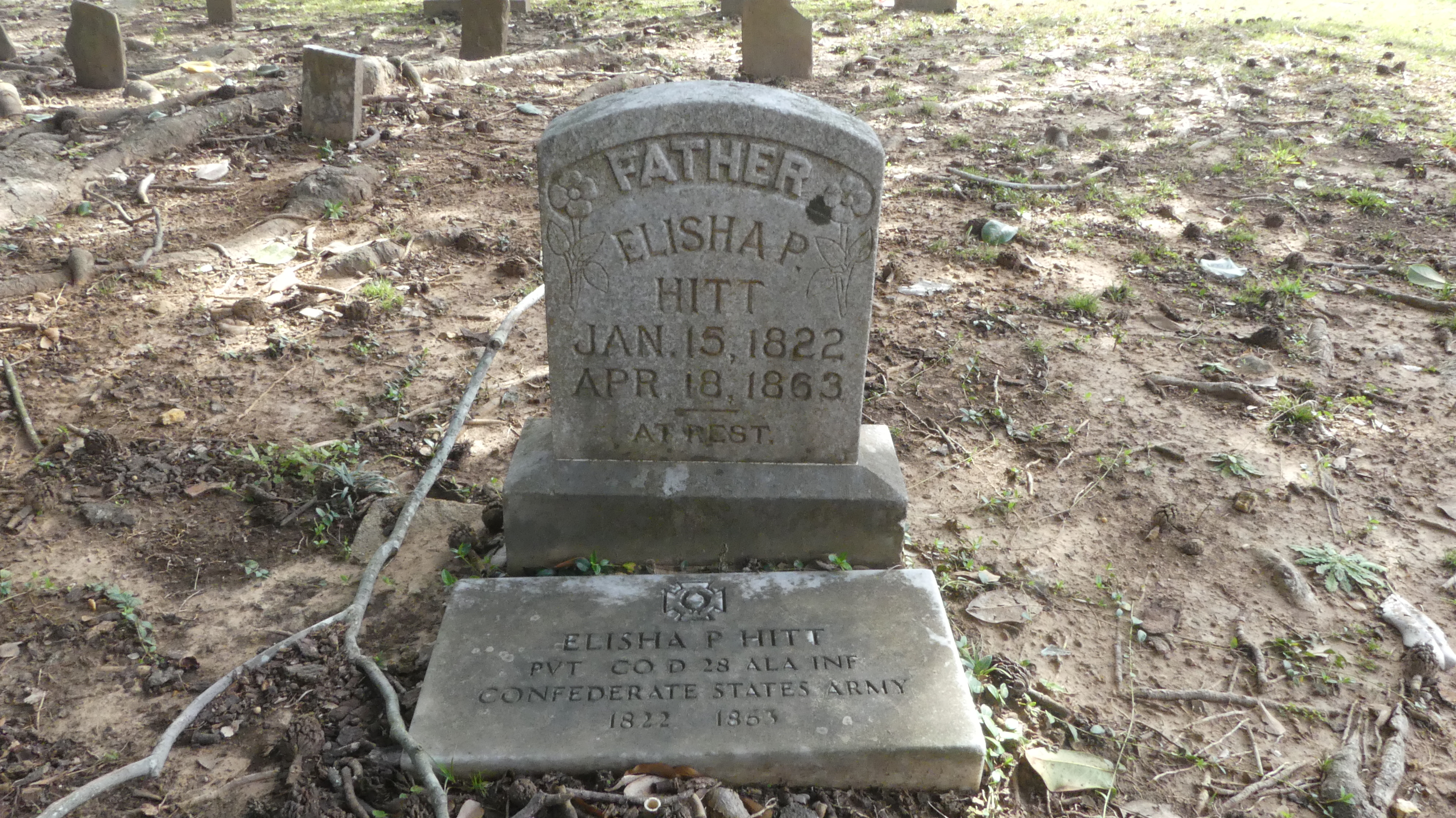

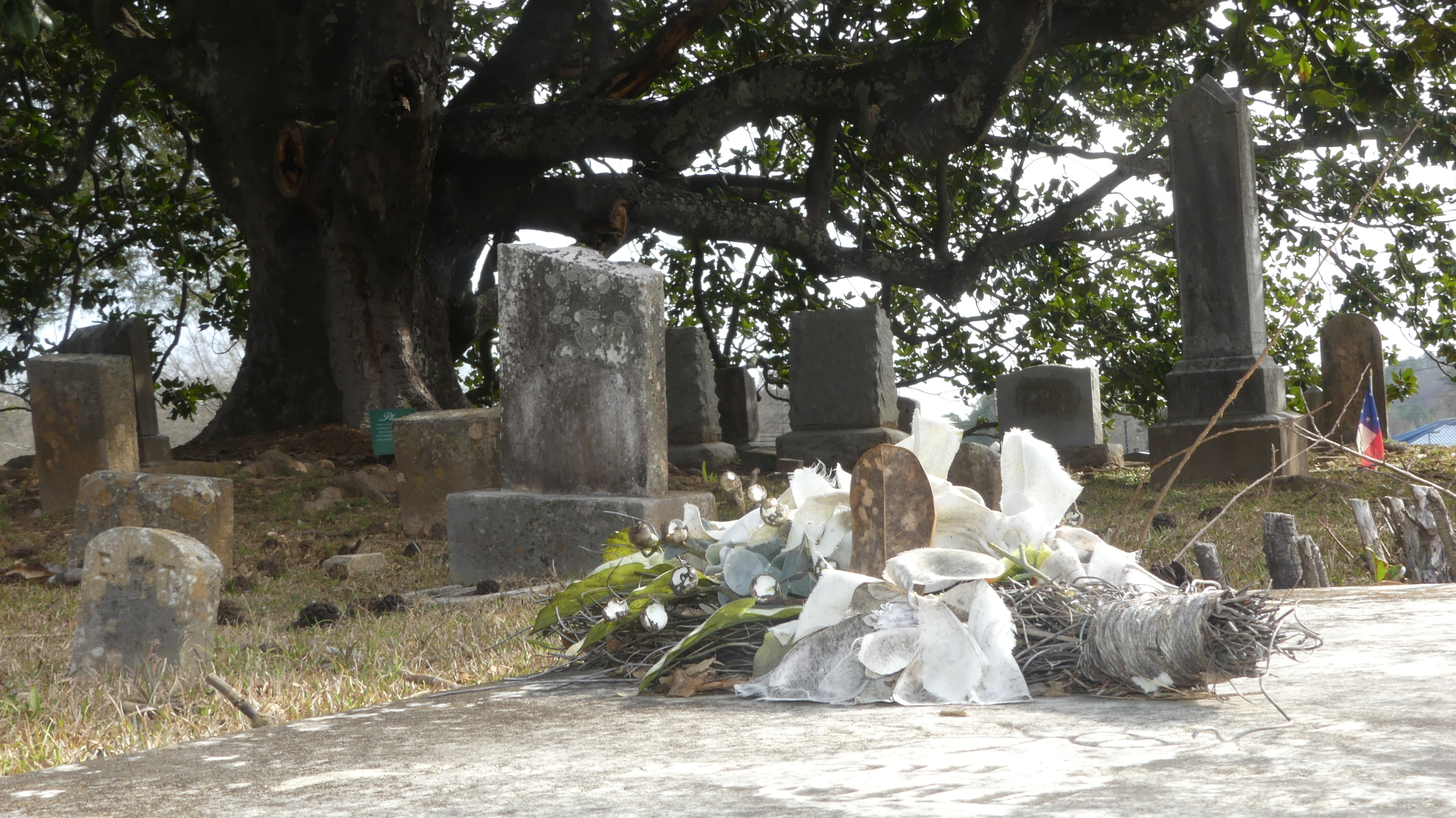
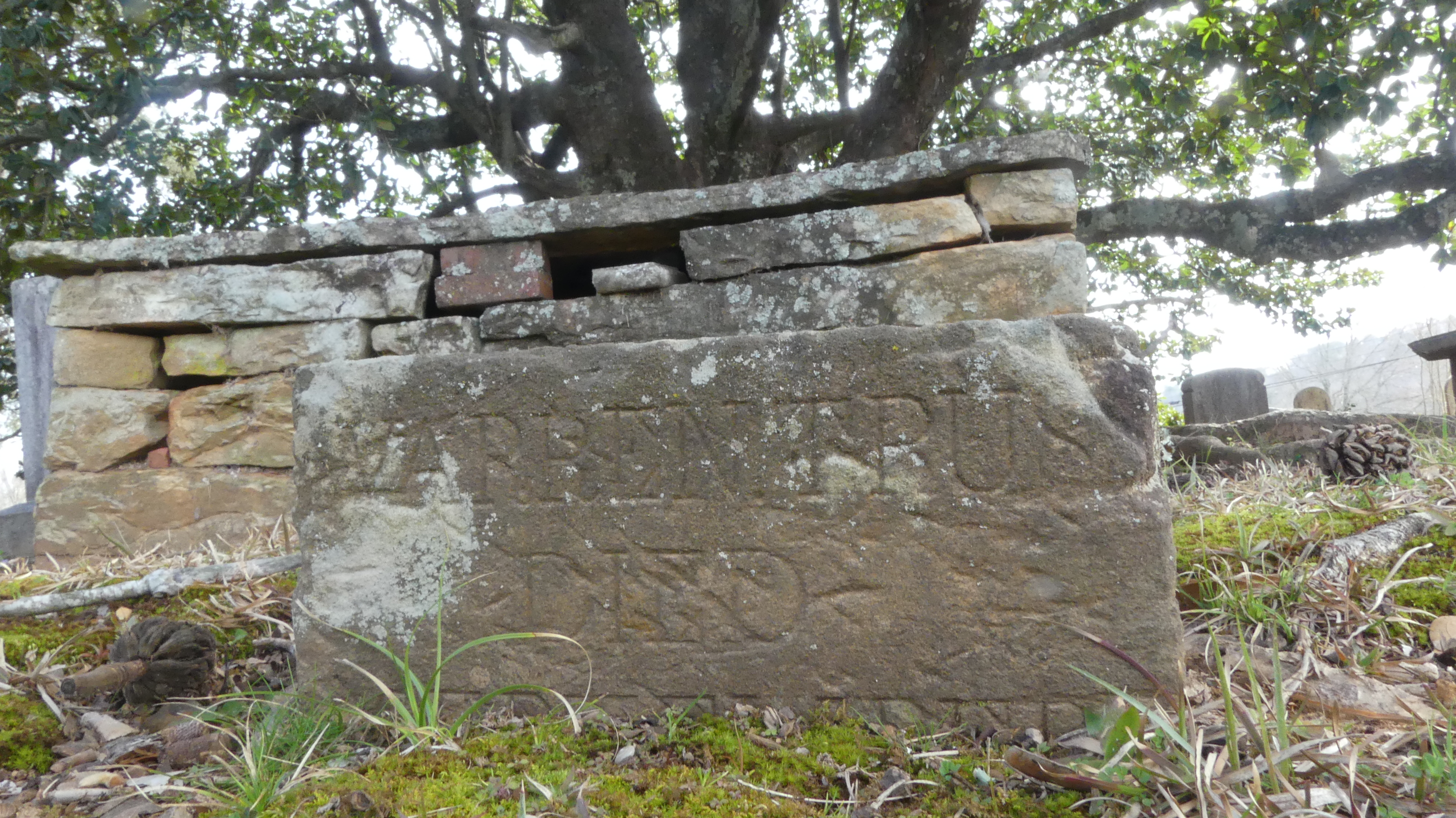
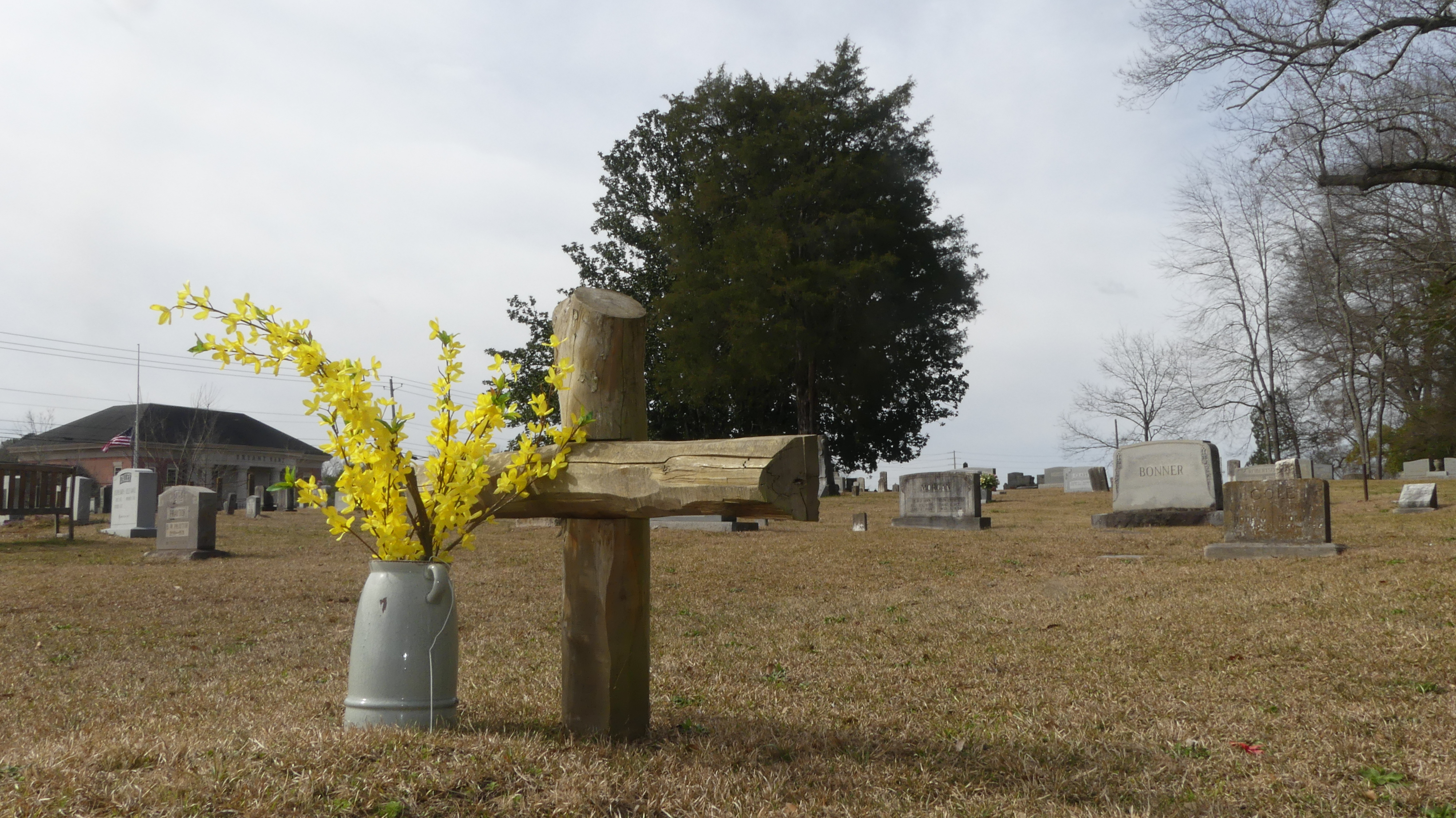
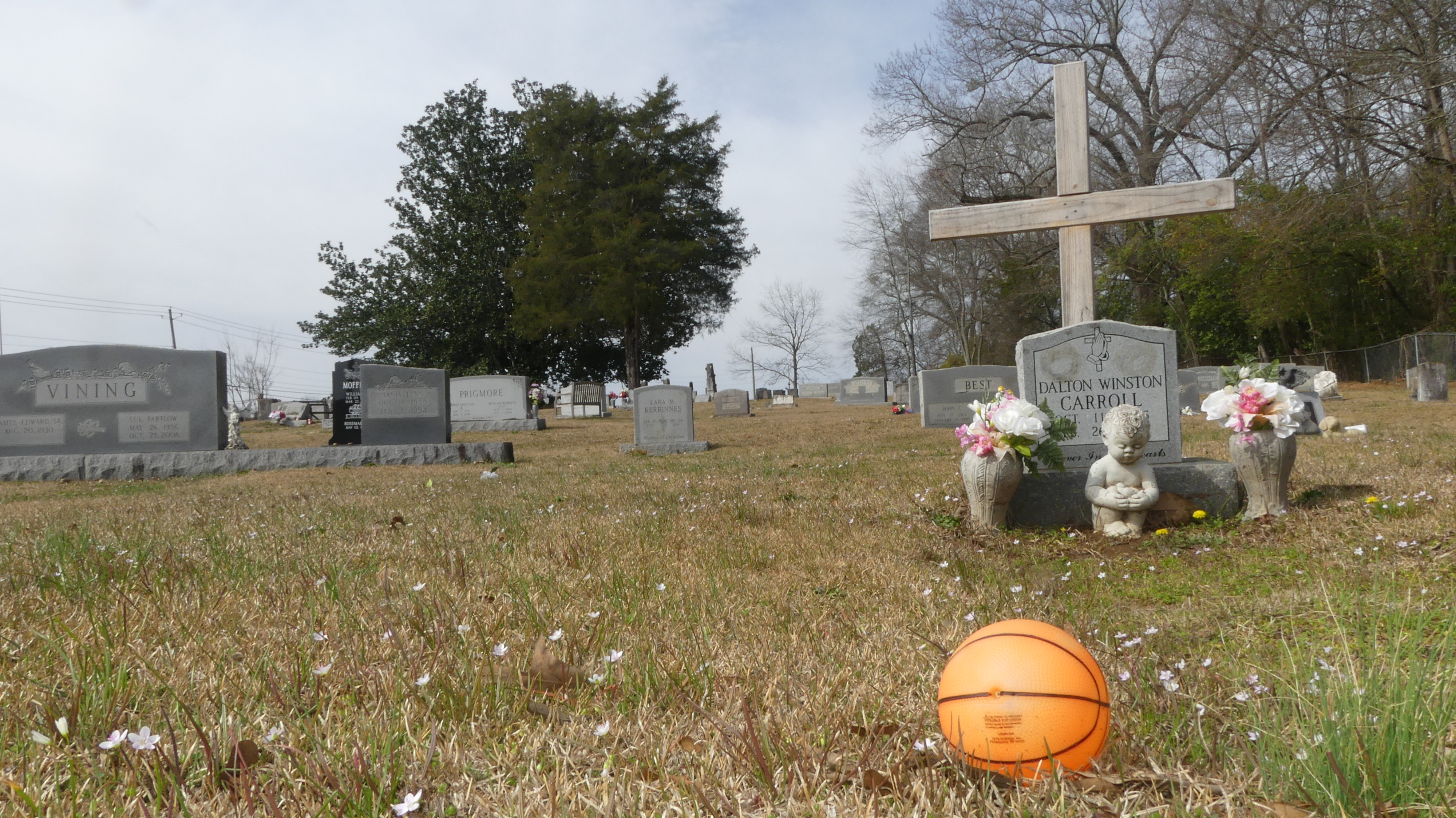

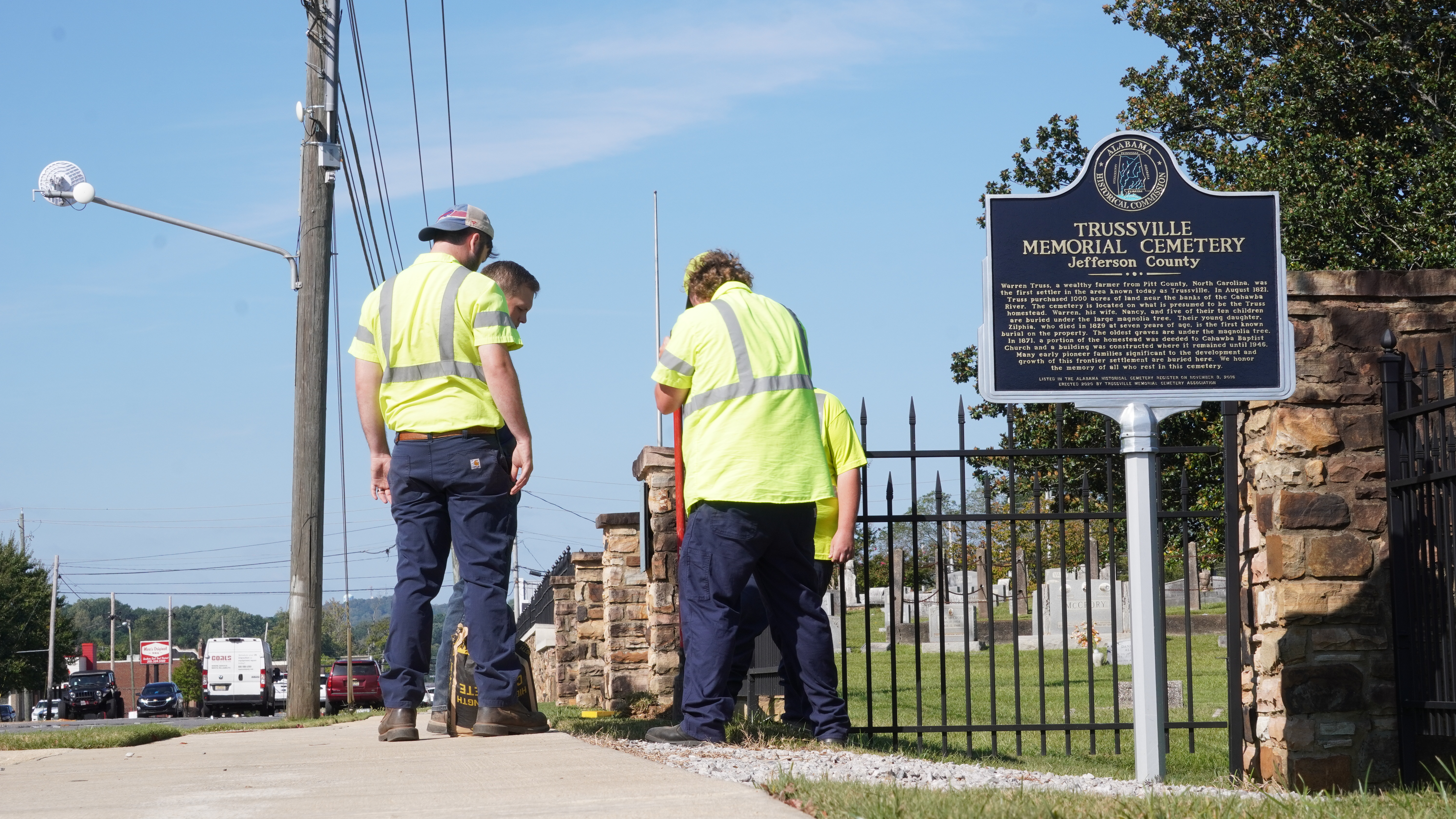
Formerly known as Cahawba Baptist Church Cemetery, it’s one of the oldest cemeteries in the state and serves as the resting place for many members of prominent Trussville families. Near the back entrance once stood Cahawba Baptist Church, though its front steps would have been located in what is now Main Street. There is a low spot that was thought to be filled with water, like a tiny pond, where baptisms took place.
Holly Tree
The tree is no longer here, but we’re trying to bring it back. The story of it says that soon after her husband’s accidental death in 1887 – a crowbar fell on his head in a well; how is this accidental? – Mary Carlisle rode to the cemetery on horseback to visit his grave. En route she pulled a shoot from a holly bush to use as a riding switch for her horse. Arriving at the cemetery, she stuck the shoot in the ground near her husband’s grave and forgot it.
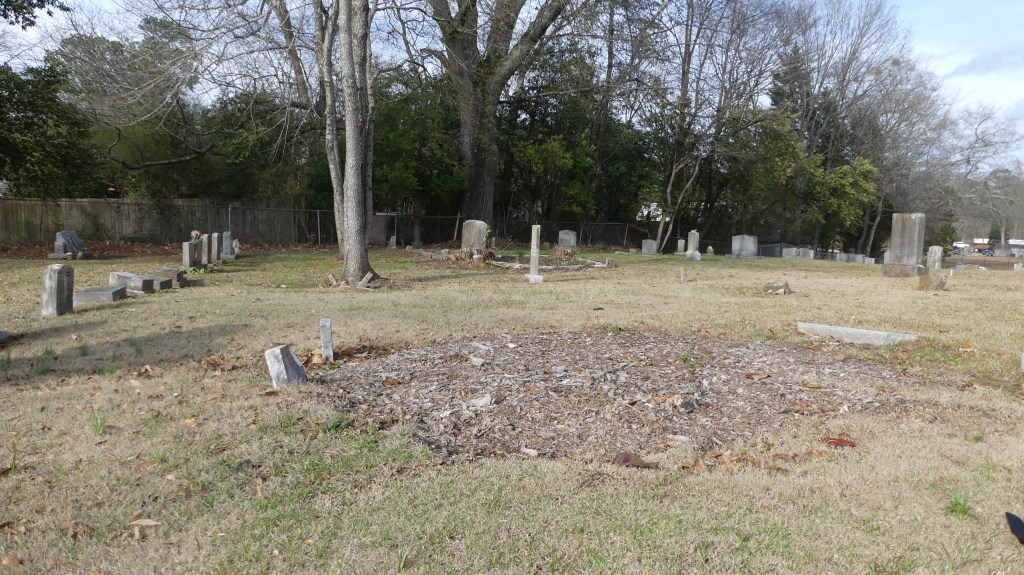

The following spring, Carlisle returned to the cemetery for another graveside visit and found the holly shoot had rooted and was alive and growing. When she died in 1906, she, too, was buried near the holly tree, a symbol of her devotion.
 Gary Lloyd Books