The stock market crash of October 29, 1929, and the ensuing Great Depression sent shockwaves throughout the United States and world. The Great Depression devastatingly affected rich and poor countries, cities and people. The presidential election of 1932, between Republican incumbent Herbert Hoover and Democratic nominee Franklin D. Roosevelt of New York, was the beginning of change for the nation, and for Trussville. Roosevelt won the election largely due to his optimistic personality.
Roosevelt’s New Deal was a series of economic programs enacted between 1933 and 1936, focusing on relief, recovery and reform as part of progressing from the Great Depression. The programs centered on relief for the unemployed and poor, recovery of the economy and reform of the financial system to prevent another depression.
During the Great Depression years, the federal government was attempting to relieve many citizens in the low income bracket. The idea of developing homesteads with a moderate amount of acreage was considered and later pursued throughout the United States. In Jefferson County, a committee of prominent local citizens selected a site in Trussville in plain view of the slagheap from the dismantled furnace, giving the homestead project the name “Slagheap Village,” later to be known as “Cahaba Village” and “The Project.”
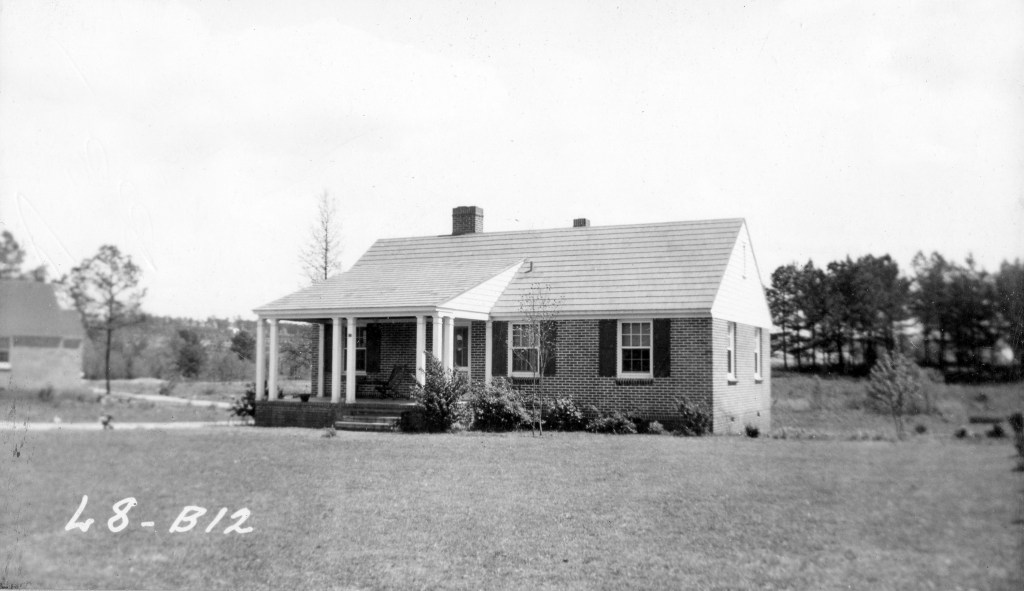


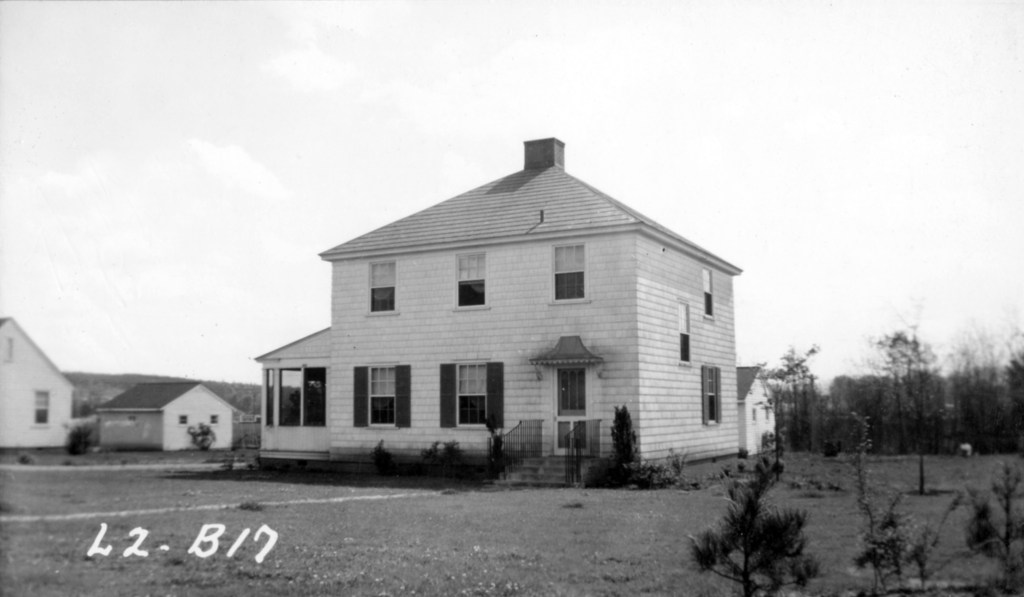
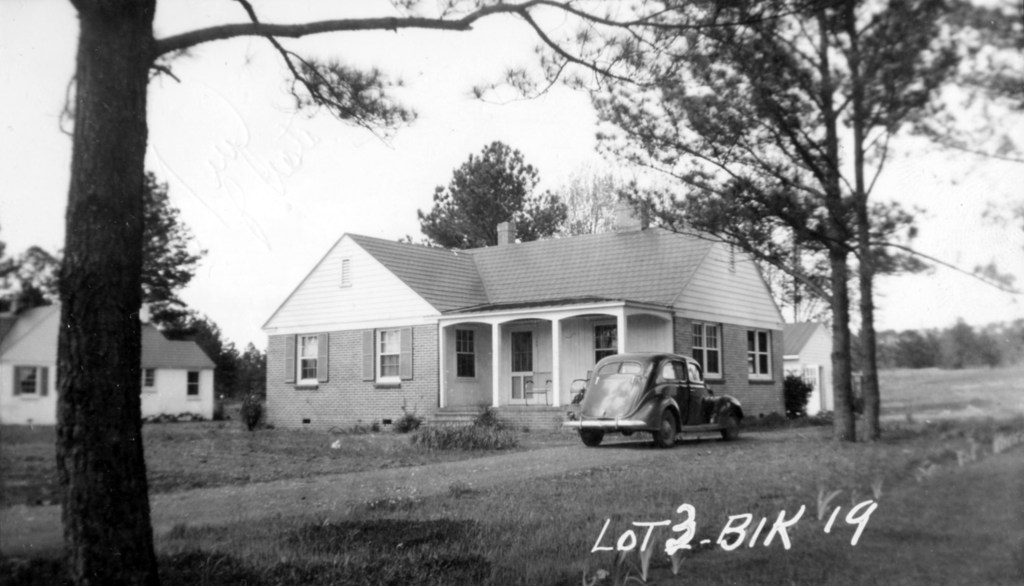
Senator John H. Bankhead and Dr. M.L. WIlson accompanied the trio on its inspection trip to Trussville, where it became apparent that the property would not be suitable for a homestead development. Resettlement Administrator Dr. Rexwell Tugwell came to the area on an inspection trip. The area included 30 houses for whites and 40 houses for blacks, part of the housing formerly connected to the furnace. Tugwell and his associates decided to provide homes in the area not for homestead operation or for victims of the Great Depression, but for a quality suburban residential development. Being tired of fancy names for these developments, Tugwell declared the project to be called “Slagheap Village,” since a mountain of slag from the furnace was still visible. It was later called “Cahaba Village,” after the nearby Cahaba River. Prior to the land being purchased and the homes constructed, though, the residing families had to be relocated. The black families were moved to a project site called The Forties, an area still in Trussville today, perched atop Valley Road near the Tiffany Estates subdivision.
At Tugwell’s suggestion, W.H. Kessler drew up the layout plans for the project and was from thereafter called “town planner.” Cahaba Village consisted of 287 residential units — 243 homes and 44 duplex unites, constructed from 1936 to 1938 at an overall cost of $2,661,981.26. The total cost included work on public utilities, streets, curbs, gutters, and public buildings comprising the high school, community building and co-operative store. The acreage cost was not included. Skirting the housing development was a green stretch of properties designated as park areas to protect the encroachment of any development that may detract from the beauty of the community. The properties took two years to construct and were opened in April 1938. A waterworks, sewage disposal plant, paved and lighted streets, and some sidewalks were provided.
A March 11, 1947, letter from the Federal Public Housing Authority briefly outlined the proposed incorporation of the town of Trussville. The letter states that the Cahaba Project is a fine example of planning for semi-subsistence homes that would be protected from the uncontrolled growth of its neighbor, Trussville. Two Cahaba Project streets, Chalkville Road and Parkway Drive, connected with Trussville, and all border lots in the Cahaba Project were arranged so that they faced away from Trussville. All minor streets had been planned that their connections with Trussville were made by way of Chalkville Road or Parkway Drive.
“The time has come now to join these separate communities as an Incorporated Town,” the letter states. “In order to do so there must be more direct connections between the two communities and a pooling of their interests so that a well organized community will be attained.”
On June 2, 1947, an election was held to determine whether to incorporate the town of Trussville into a city form of government. The election carried and all property owned by the Federal Public Housing Authority with four legal voters per 40 acres of land was included in the area to be incorporated. Cahaba Village was absorbed into the town of Trussville when it was incorporated on June 10, 1947.
By July 21, 1947, an election of a mayor and five aldermen was held. Horace Norell was elected mayor, and elected as aldermen were Mary Lou Farley, George A. Glenn, Alton Williams, John Yarbrough and Richard Beard.
Blast Furnace
The most significant addition to Trussville by 1870 during the Reconstruction era was the railroad, which reached Trussville in 1870. The Alabama and Chattanooga Railroad Company completed its 295-mile project from Chattanooga, Tennessee, to Meridian, Mississippi, in 1870-1871. The railroad addition to Trussville meant more jobs for residents. The trains that passed through brought regular mail, freight shipments and passengers from the eastern United States. It also meant more industry in the 1880s.
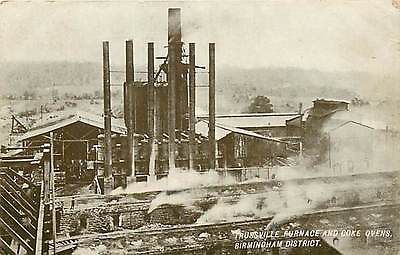
March 19, 1884 — The Birmingham Mineral Railroad received its certificate of incorporation to begin operations. Did you know that it used to run right here in front of the school on Parkway Drive?
Dec. 21, 1886 – The Birmingham Furnace and Manufacturing Company was incorporated by a group of men from Uniontown, Pennsylvania. The first land company was the Trussville and Cahaba River Land Company, which incorporated on March 19, 1887. That same year, a tract of land was purchased from the Trussville and Cahaba River Land Company, and construction of a furnace began. A large portion of the furnace built that year came from material from the dismantled Lemont Furnace in Fayette County, Pennsylvania. The furnace was located on the land where the historic school on Parkway Drive is now located. It was 65 feet tall!
April 8, 1889 – The Trussville furnace was blown in for the first time! The furnace remained in blast until the middle of 1893, when it was blown out due to the low demand for pig iron.
1896 – The furnace was put back in blast by the Trussville Furnace Company. It only ran a few months. Transportation cost was too high.
1899 – The Trussville Furnace, Mining and Manufacturing Company took it over on Sept. 1, but it wasn’t back running until 1901 and again only operated a few months.
July 10, 1902 – The Lacey Buek Iron Company purchased the furnace, which was rebuilt and expanded to 80 feet tall from 65 feet tall. They began running it in 1903 and called it the “Ella.” It ran under this company for 3 years.
July 1, 1906 – The Southern Steel Company, which rebuilt the furnace but did not enlarge it, takes over. There were 212 workmans’ houses attached to the plant, and in 1907, the Southern Steel Company bankrupted. The Southern Iron and Steel Company acquired the furnace in 1909, but it was blown out in 1910. This company defaulted on its bonds in 1911 and the furnace was passed to the Michigan Trust Company.

1910 – 1917 – The furnace was idle, not working. The Birmingham Trussville Iron Company was organized, taking control of the furnace. The furnace was blown in for the final time in the spring of 1918, operating until the spring of 1919. The furnace remained abandoned until its dismantling in 1933.
April or May 1933 — Gate City Branch from Ruffner Mountain Ore Mine No. 2 to Trussville of the Birmingham-Mineral Railroad was abandoned.
Heritage Hall
Just beyond the east side of The Mall beside the New Deal-era school building is Heritage Hall, originally a retail general store and filling station managed by the Cahaba Cooperative Association. Built in 1938 along with the homes in the Cahaba Project, the store served the needs of the Cahaba Project residents. In 1951, four years after Trussville incorporated as a town, the town bought the general store to establish a community center and library. It later served as band and choral rooms for the high school.


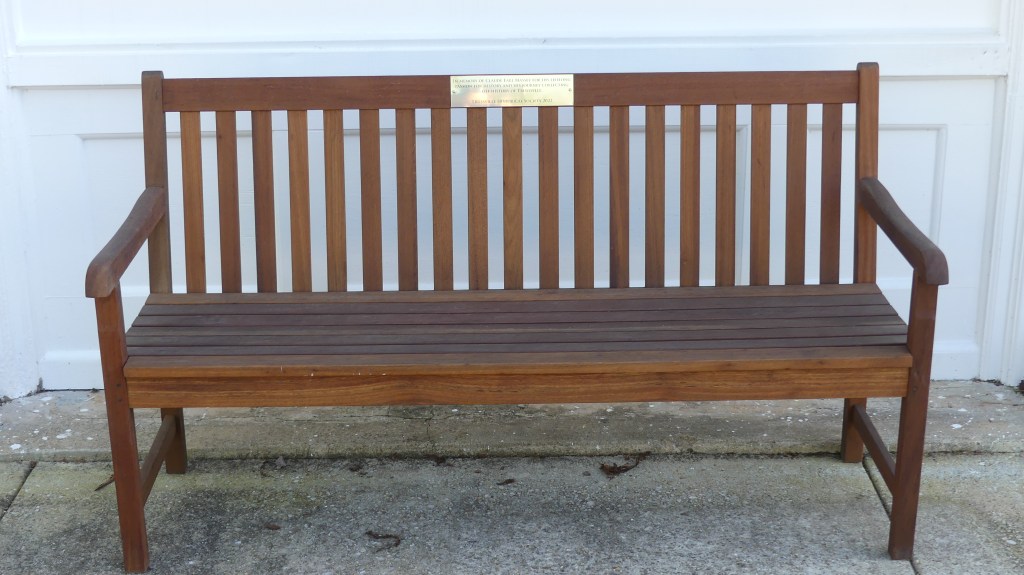


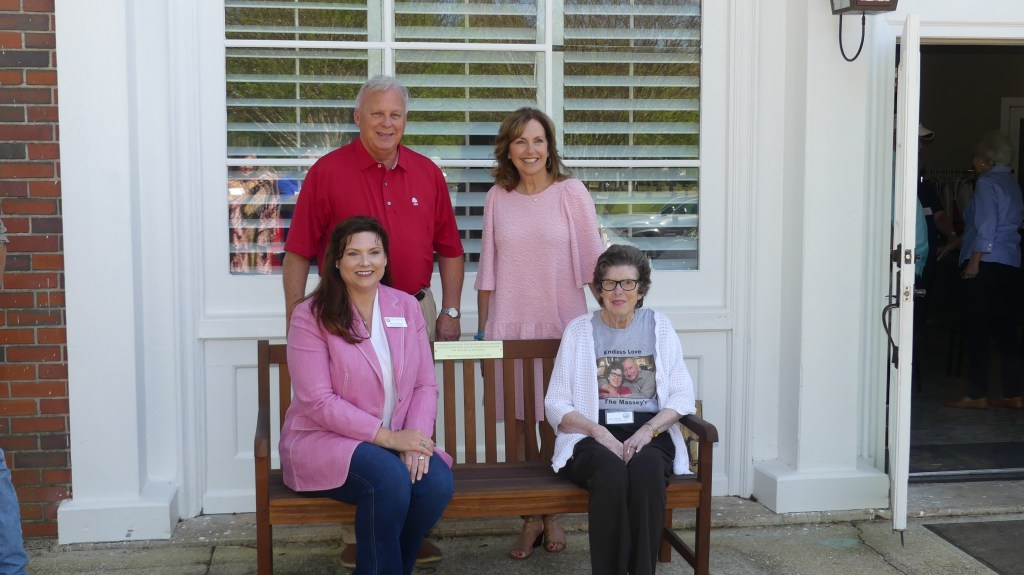
In 1988, on the building’s 50th anniversary, the Trussville Industrial Development Board restored the building. The building was dedicated to the preservation and development of the historic, civic and cultural heritage of the city through the Trussville Historical Board, the Trussville Area Chamber of Commerce and the Arts Council of the Trussville Area. The Trussville Chamber of Commerce had existed since 1946 but did not have a permanent office until the restoration in 1988. The left side of Heritage Hall holds old yearbooks, newspaper articles, books, artifacts, photos, and other historical findings relative to the city of Trussville. The backside of Heritage Hall, near the Trussville City Pool, is ACTA Theatre, where local students and residents participate in dramas, comedies, and musicals.
More videos from the Cahaba Homestead Heritage Foundation are located here.
 Gary Lloyd Books